Best Suspended Fireplaces
This article targets the search term best suspended fireplaces and is meant to answer a focused question within the suspended fireplace buying journey. People searching this phrase are usually further along than someone searching for general fireplace inspiration. They often want to know whether a suspended fireplace can work in a specific application, what the tradeoffs are, and what the next decision should be. A high-performing page should answer that intent directly, connect the topic back to the suspended fireplace hub, and help the reader move naturally into product evaluation or the next supporting guide.
For a broader overview of styles, costs, and installation considerations, see our fireplaces guide.
Suspended fireplaces
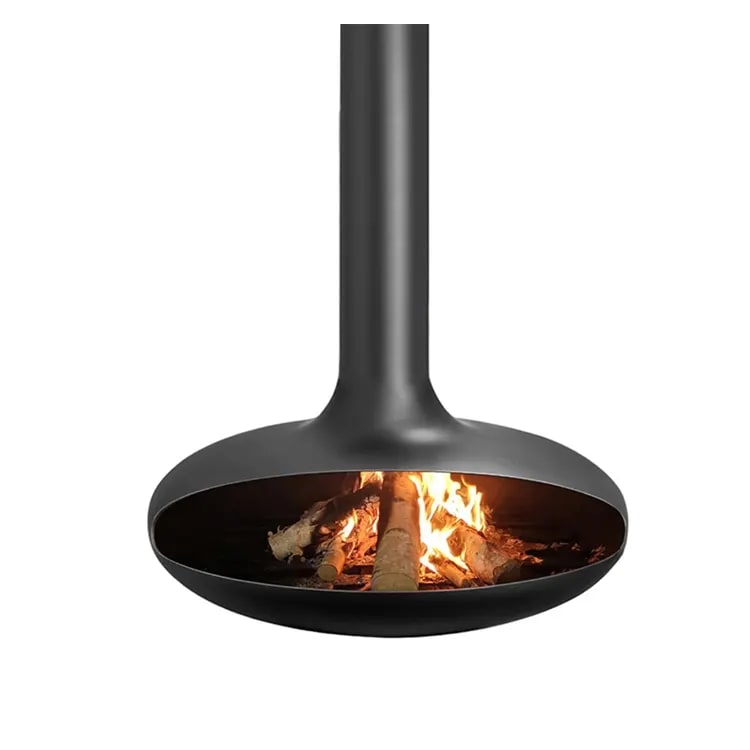
Mid Century Modern Fireplace
The Mid Century Modern Fireplace combines timeless design with modern functionality, making it the perfect centerpiece for any living space. With its sleek lines and elegant form, this fireplace not only provides warmth but also elevates your home’s aesthetic, creating a cozy atmosphere for gatherings and relaxation.
$2,695$5,000
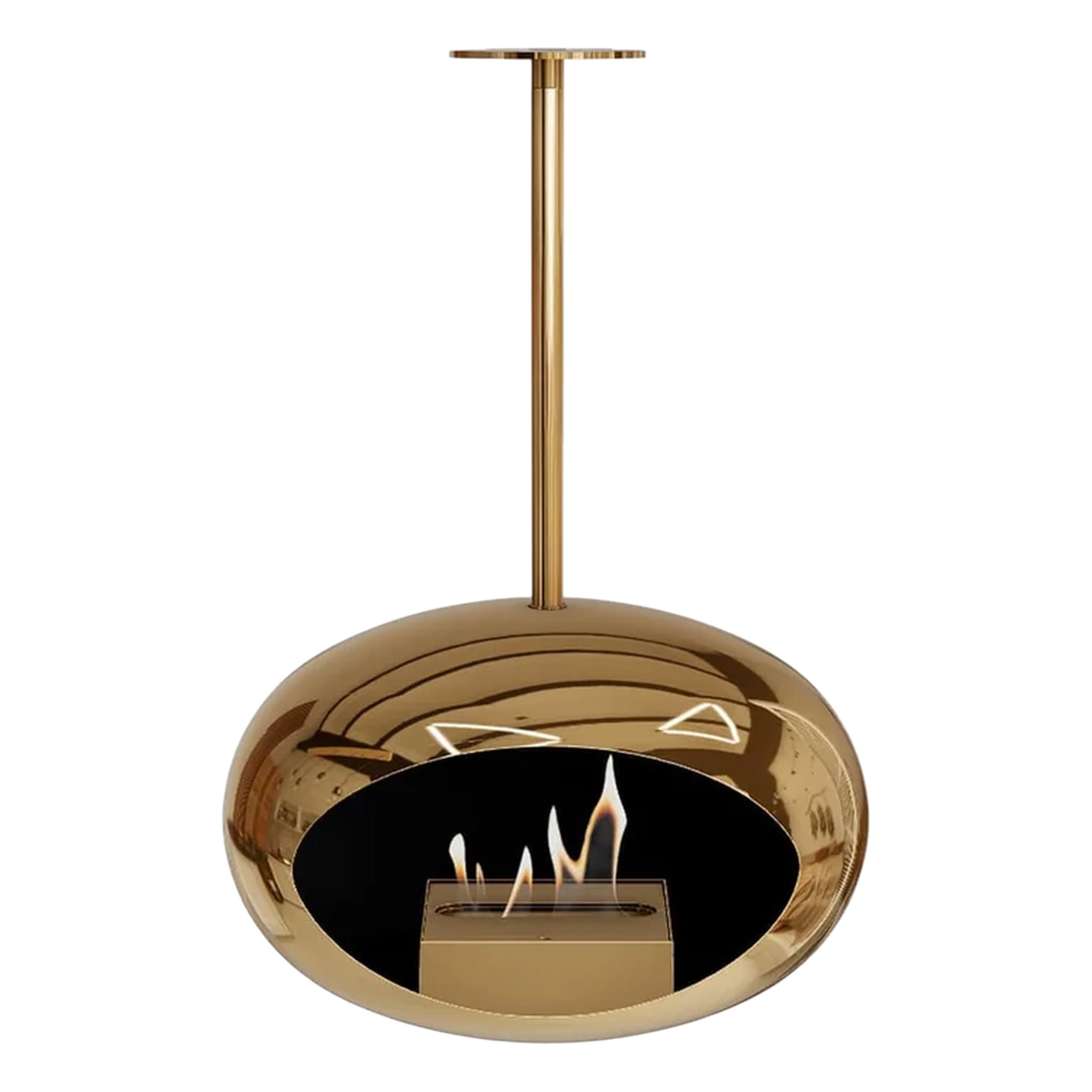
Suspended Fireplace II
The Suspended Fireplace II is a striking centerpiece that combines modern design with efficient heating capabilities. Perfect for contemporary living spaces, this fireplace offers a unique floating appearance, creating an inviting atmosphere while serving as a functional heating solution.
$1,995$3,000
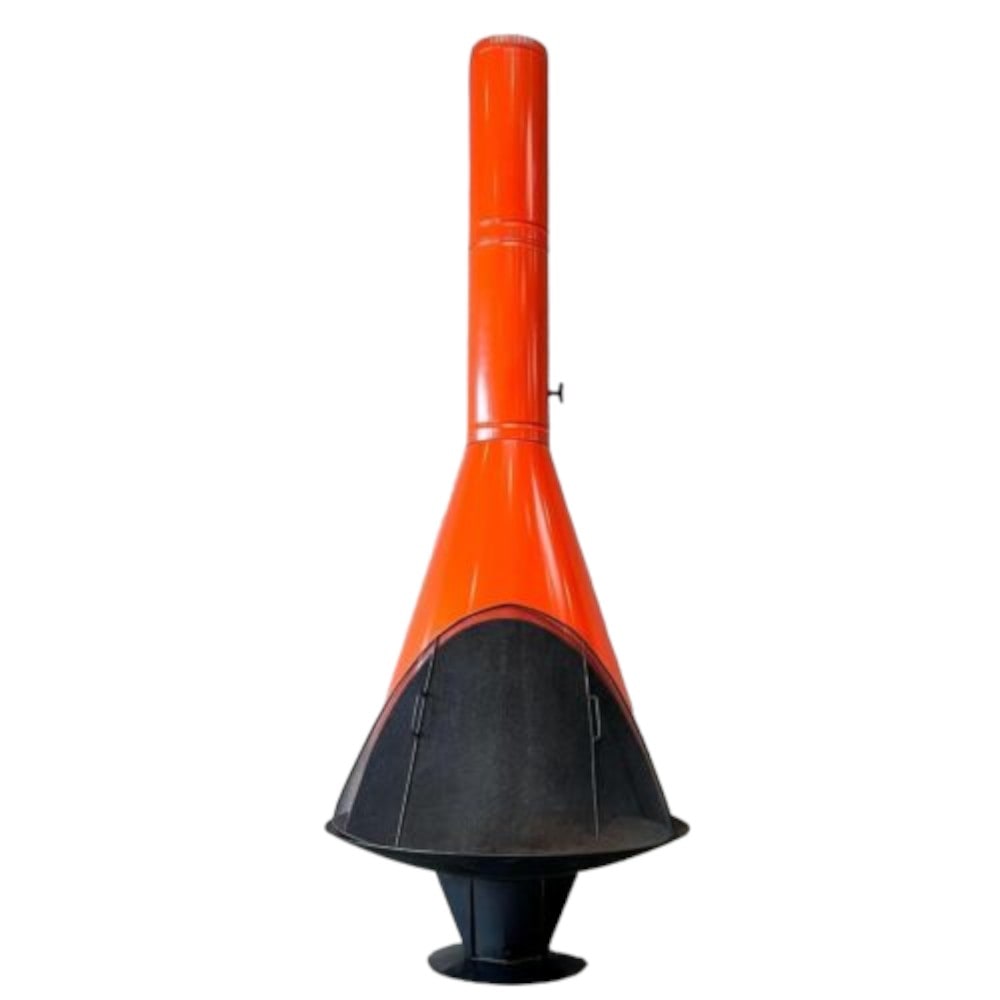
Mid Century Modern Fireplace II
The Mid Century Modern Fireplace II seamlessly blends aesthetics with functionality, creating a striking focal point for any living space. With its clean lines and minimalist design, this fireplace not only provides warmth but also enhances the overall ambiance of your home.
$3,500$4,990
How to think about brand quality here
A page about best suspended fireplaces needs to move beyond surface-level inspiration. Buyers want to understand how this specific angle changes the project. In suspended fireplace searches, the details matter because the product sits at the center of cost, compliance, room design, and long-term use.
The best pages in this category define the question clearly, explain what makes it important, and then give the reader a practical framework for deciding whether to keep moving forward.
What separates stronger products from weaker ones
Useful buying content translates design language into decision criteria. That means explaining structure, clearances, maintenance, visual proportion, budget impact, and whether the buyer's expectations match the realities of the installation or product type.
Pages that perform well tend to combine inspiration with grounded practical advice. That is especially important in a high-ticket category where poor planning can create expensive rework.
Mistakes buyers make when comparing brands or lists
One common mistake with best suspended fireplaces is assuming the visual concept answers the practical question. Buyers often fall in love with a photo before understanding whether the room, venting path, support structure, or fuel type makes sense for their home.
A second mistake is failing to compare alternatives honestly. Sometimes the right answer is still a suspended fireplace. Sometimes another style gives most of the visual impact with fewer constraints. Strong pages should help the reader see both sides.
How this page supports cluster authority
From an SEO perspective, this page should not stand alone. It should support the suspended fireplace hub, link to the main /fireplaces page, and send readers to the most relevant adjacent topics such as cost, installation, safety, brands, or comparisons.
That internal link structure strengthens the topical cluster while improving the user journey.
Bottom line
The keyword best suspended fireplaces belongs in the suspended fireplace cluster because it reflects a specific stage in the buying journey. A strong page can capture qualified traffic, support the main hub, and move the reader toward the right next decision.
FAQ
What does best suspended fireplaces usually mean in search
It usually reflects a focused buying or design question inside the broader suspended fireplace category.
Should this page link back to the hub
Yes. It should link to both the suspended fireplace hub and the main fireplaces page.
What makes this type of page rank better
Clear structure, practical specificity, internal links, and useful answers usually outperform vague inspiration content.
What should happen after publication
The page should be indexed, linked into the cluster, and refined over time as rankings and engagement data come in.